
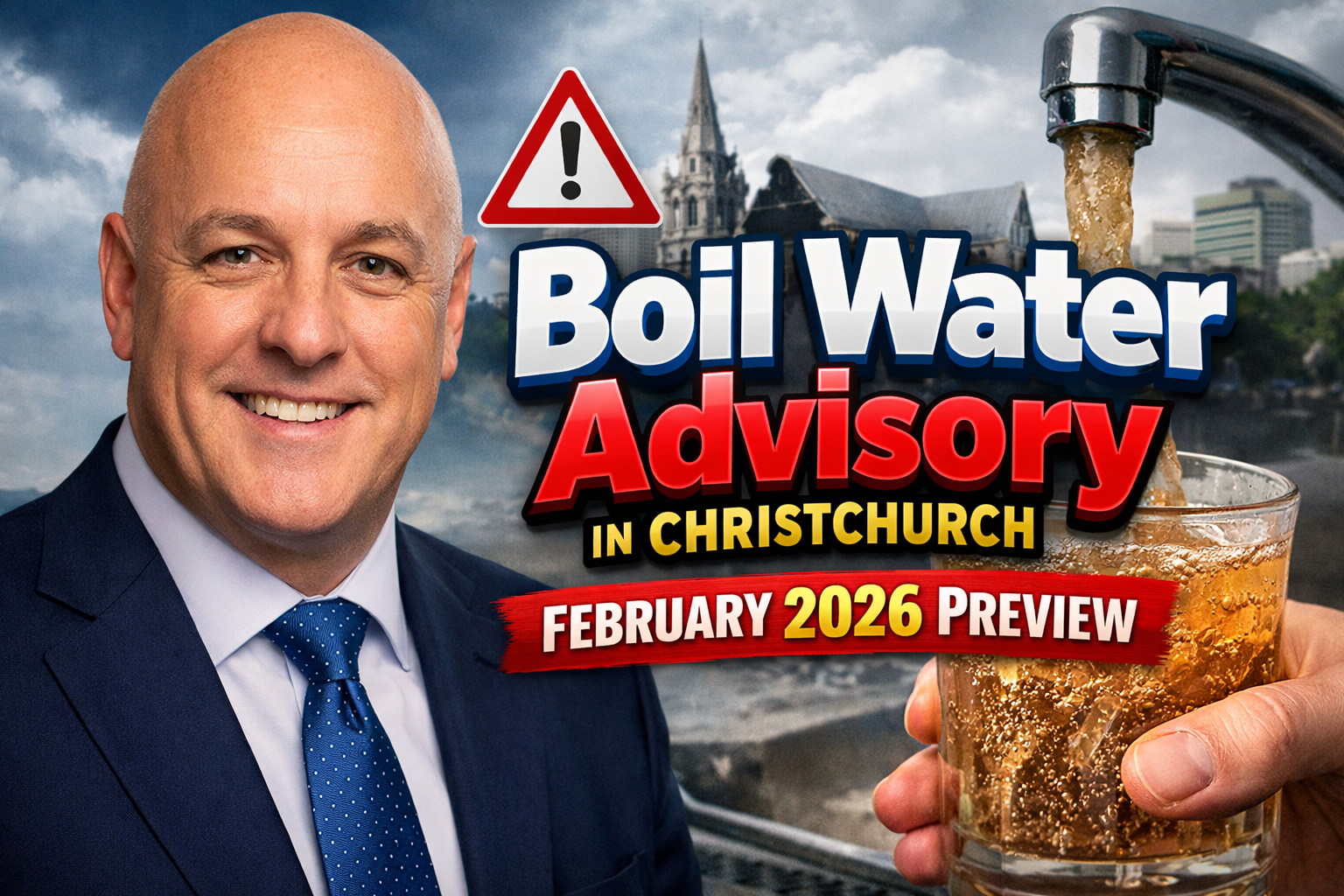
A boil water advisory affects several eastern suburbs of Christchurch, urging around thirty thousand residents to boil their tap water due to detected bacteria contamination. This public health measure prioritizes safety while authorities investigate the issue.
Advisory Overview
The Christchurch City Council issued the boil water notice on a recent afternoon, targeting the Rawhiti water supply zone. Suburbs including New Brighton, Burwood, Wainoni, Aranui, and Southshore received emergency mobile alerts warning of a public health risk. This precautionary step follows routine testing that revealed bacteria in the drinking water, prompting immediate action to protect residents.
The advisory remains in effect until further notice, with council staff and contractors actively testing and flushing the network. An estimated thirty thousand people live in the impacted area, based on census data. While water remains safe for non-drinking uses, boiling is essential for consumption to eliminate potential hazards.
Residents reported receiving text alerts, some mistakenly dated earlier in the month, but the council clarified the correct timing. This swift communication aims to ensure widespread awareness and compliance.
Cause of Contamination
Routine water sampling detected bacteria, triggering the advisory without waiting for full identification. Council officials emphasized that even a single positive test warrants caution, as they prioritize public safety over delay. Further investigations probe the source, which could stem from pipe issues, maintenance lapses, or environmental factors.
The Rawhiti supply serves eastern communities reliably under normal conditions, but this incident highlights vulnerabilities in aging infrastructure. Staff flushed lines and collected additional samples to map the contamination’s extent. One initial positive result from multiple sites yesterday escalated the response.
Experts note such detections are rare given thousands of annual tests, underscoring robust monitoring systems. Until cleared by lab results, the notice persists to mitigate risks.
Boiling Instructions
All water for drinking, cooking, brushing teeth, and food preparation must be boiled continuously for at least one minute. This includes water used for making formula, juices, ice, washing fruits and vegetables, or rinsing contact lenses. Even filtered tap water requires boiling, as standard filters may not remove bacteria.
Council guidance specifies using jugs with automatic cut-off switches if full, but warns against instant boil systems or holding switches to extend boiling. Bringing water to a rolling boil suffices to kill pathogens. For those unable to boil, adding household bleach—one teaspoon per ten liters, left for thirty minutes—serves as an alternative.
Bathing, showering, laundry, and toilet flushing remain safe without boiling, but avoid swallowing shower water. Pets should drink boiled or bottled water too.
| Activity | Requires Boiling | Notes |
|---|---|---|
| Drinking water | Yes | Cool after boiling |
| Cooking and food prep | Yes | Use in all recipes |
| Brushing teeth | Yes | Rinse thoroughly |
| Making ice or formula | Yes | Store safely |
| Washing produce | Yes | Scrub after boiling |
| Bathing or laundry | No | Avoid ingestion |
Health Risks Involved
Bacteria in water can cause gastrointestinal illnesses, though waterborne diseases are rare in developed systems. Symptoms like diarrhea, nausea, vomiting, or stomach cramps may appear if ingested untreated. Most healthy individuals recover quickly, but risks heighten for infants, elderly people, pregnant individuals, and those with weakened immune systems.
Council urges anyone feeling unwell to consult a doctor, even if symptoms might stem from other causes. Early detection prevents complications. Historical cases show e-coli or similar bacteria as common culprits, treatable with hydration and rest.
Vulnerable groups should stockpile boiled water or bottled alternatives preemptively. Pharmacies offer oral rehydration solutions for symptom management.
Daily Routine Adjustments
Kitchens transform under the advisory—fill kettles frequently for meals and beverages. Prepare salads or soups with boiled water to maintain hygiene. Coffee makers and dishwashers need boiled water reservoirs if used for sanitizing.
Brushing teeth becomes a two-step process: boil, cool slightly, then use. Households with babies mix formula carefully, ensuring sterility. Schools and childcare centers follow suit, coordinating with parents for safe hydration.
| Routine Task | Adjustment Needed | Time Estimate per Use |
|---|---|---|
| Morning coffee | Boil fresh batch | Five minutes |
| Meal preparation | All water boiled ahead | Ten minutes prep |
| Pet feeding | Switch to boiled or bottled | Two minutes daily |
| Child formula | Sterile boiling mandatory | Extra three minutes |
| Dishwashing | Sanitize with boiled rinse | Five minutes per load |
Alternative Water Sources
Supermarkets in affected areas like New Brighton reported rapid sell-outs of bottled water, with chains like Woolworths noting heavy demand. Residents queued early, prompting restocks and delivery boosts. Community centers or designated distribution points may offer free water soon.
Rainwater collection suits non-potable needs if clean, but boiling applies for drinking. Delivery services from unaffected zones provide options for those unable to shop. Schools and workplaces activate emergency protocols, supplying safe water.
Long-term, councils recommend home water storage kits—five liters per person daily—for such scenarios.
Impacts on Businesses
Cafes, restaurants, and takeaways adapt by boiling water visibly for customers, displaying signs on compliance. Some pause ice-based drinks or salads temporarily. Supermarkets thrive on bottled water sales but face shortages elsewhere.
Hotels notify guests, providing boiled pitchers. Gyms and pools confirm shower safety but limit drinking fountains. Economic ripple effects include minor losses for unprepared vendors, offset by community solidarity.
Historical Context
Christchurch has faced similar advisories before, like past e-coli detections in nearby zones affecting thousands. Those lifted after flushing and retesting within days, restoring confidence. Patterns reveal seasonal pipe stresses or maintenance gaps as factors.
Lessons from earthquakes heightened resilience, with faster alerts and redundancies. National guidelines standardize responses, ensuring consistency.
Community Response
Residents shared tips online, from bulk boiling schedules to neighborly water shares. Social media buzzed with council updates, reducing panic. Volunteers organized at halls for vulnerable support.
Council hotlines fielded queries, clarifying myths like safe instant boils. This unity exemplifies Kiwi spirit in crises.
Resolution Timeline
Further sampling determines lift timing—potentially days if localized. Daily tests track progress, with public announcements via alerts and websites. Flushing continues around the clock.
Once two consecutive clear tests confirm safety, the notice ends. Follow-up monitoring persists weeks post-lift.
Prevention and Preparedness
Infrastructure upgrades address root causes long-term, like pipe replacements in eastern networks. Residents build kits with bleach, storage jugs, and manuals. Annual drills familiarize families.

Nirti Singh is a news writer and digital content contributor at KorakoSpecklePark, covering key stories and regional developments across New Zealand and Australia. Her work focuses on clear, fact-based reporting, ensuring readers receive accurate and timely information.