
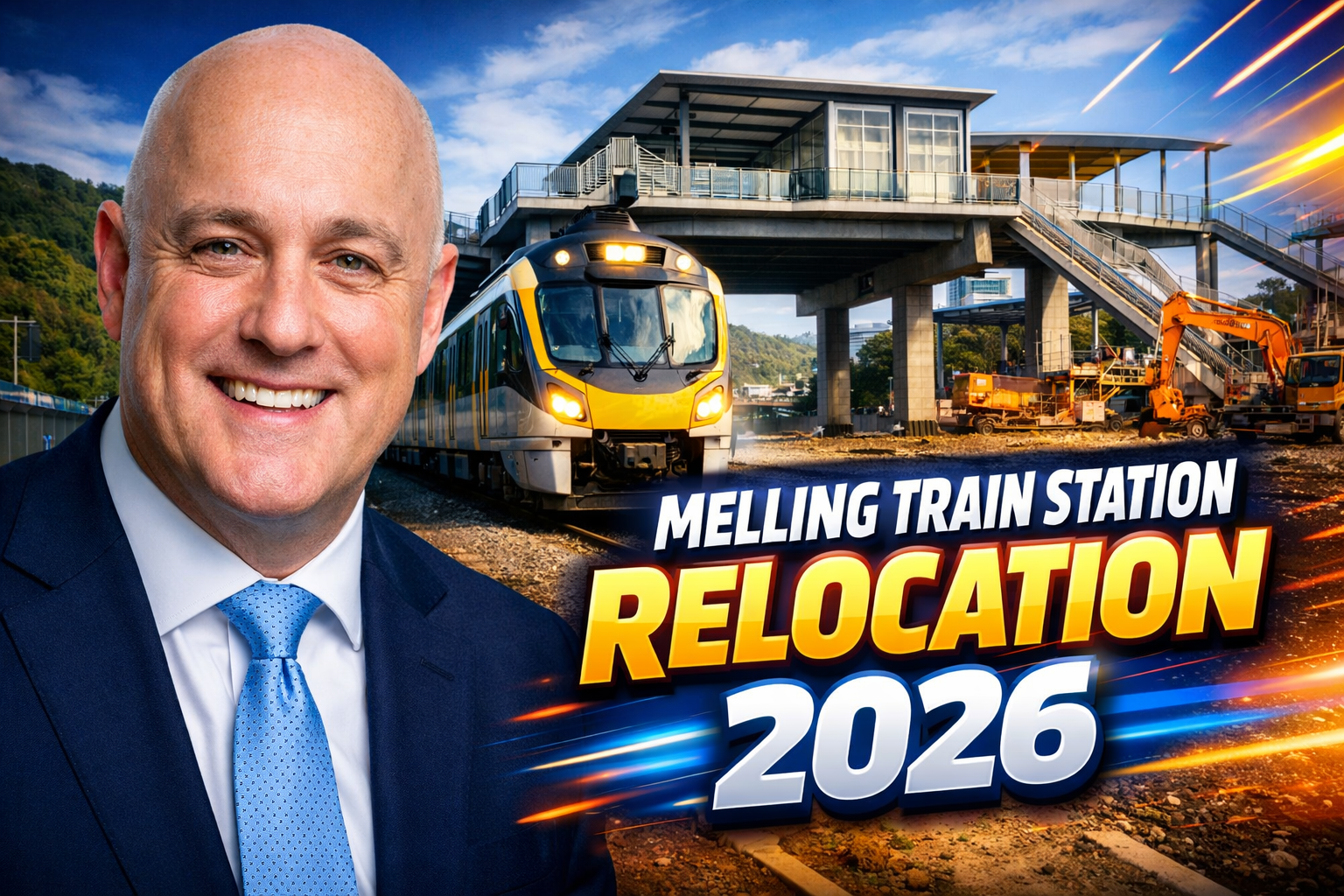
Melling sits at a notorious pinch point where State Highway 2 meets local roads and the Hutt River, causing daily gridlock for thousands commuting to Wellington. Around three hundred seventy passengers board trains there weekdays, but right turns across heavy traffic and at-grade rail crossings exacerbate delays, especially during peaks. Flood risks compound issues—Te Awa Kairangi has threatened Lower Hutt repeatedly, prompting stopbank upgrades alongside transport fixes.
Past studies highlighted safety concerns and inefficiency, with the current setup vulnerable to a one-in-four hundred forty-year flood event. Relocating the station aligns it with broader RiverLink goals: grade-separated highway access, river widening, and active transport paths to slash travel times and protect assets.
Project Scope: RiverLink Integration
Te Wai Takamori o Te Awa Kairangi merges flood protection, transport upgrades, and urban renewal. Key elements include raising stopbanks one meter, expanding the river channel to ninety meters, and building a new Melling interchange with an elevated overbridge eliminating traffic lights at Melling and Block Road. The station move supports this by freeing space for river works while positioning rail closer to the city center via a dedicated City Link pedestrian and cycle bridge.
Mana whenua, including Taranaki Whānui ki Te Ūpoko o Te Ika and Ngāti Toa Rangatira, shape designs emphasizing kaitiakitanga—river guardianship—through wetlands and ecological enhancements. Urban revitalization adds riverbank parks, better lighting, and dining spaces, boosting Lower Hutt’s vibrancy.
New Station and Park-and-Ride Design
The relocated station promises modern amenities: expanded park-and-ride lots for more cars, a bus hub, secure cycle storage, and direct pedestrian access via the City Link bridge. Vehicle entry limits post-reopening prioritize active modes, reducing private car dominance. Improved walkways and cycle paths connect Tirohanga and Harbour View suburbs, fostering multi-modal trips.
Park-and-ride capacity grows substantially, easing pressure on surrounding streets. Features like CCTV, lighting, and signage enhance security, while integration with the overbridge cuts transfer times to highway on-ramps. This setup targets congestion relief, projecting fewer delays and safer flows.
| Feature | Current Station | New Relocated Station |
|---|---|---|
| Location | North of interchange | 300m south, river-aligned |
| Park-and-Ride | Limited spaces | Expanded capacity with bus hub |
| Access | Road/rail at-grade | Pedestrian bridge to city center |
| Flood Protection | Vulnerable | Integrated with stopbanks |
| Active Transport | Basic paths | Enhanced cycles/walkways |
This table contrasts upgrades, showing commuter gains.
Construction Timeline
Station closure hits December 24, 2025, lasting about three years, with full reopening around late 2028 tied to bridge completion. Detailed City Link design starts 2026, construction 2027. Melling interchange main works, led by Fletcher Construction and AECOM alliance, ramp up post-2025, targeting 2031 finish, demolition 2032.
Phases stagger to minimize downtime: temporary Petone park-and-ride opens December 2025 with one hundred thirty spaces, walking distance to station, plus pedestrian crossings. Rail line stays open, terminating at Western Hutt.
Disruptions and Travel Alternatives
Weekday commuters face shifts—trains end at Western Hutt, met by buses. Routes 145 and 149 reroute to Waterloo, maintaining Wellington fares; route 83 offers Queensgate-Wellington direct. Bike racks expand at Petone, Waterloo; Metlink staff assist at key dates.
Road works include State Highway 2 lane closures January 2026, night shifts for drainage, earthworks, fencing. Traffic management prioritizes safety, with advance notices. Increased bus/train patronage expected amid construction congestion.
| Alternative | From Melling Area | Connection Details |
|---|---|---|
| Bus 145/149 | Western Hutt | To Waterloo, same fares |
| Bus 83 | Queensgate | Direct to Wellington |
| Petone Park-and-Ride | Priests Ave/Pito-One Rd | 130 spaces, walk to station |
| Cycle | Bike racks at stations | Secure storage added |
Options ensure continuity despite three-year station gap.
Economic and Safety Benefits
Grade separation removes conflict points, boosting highway efficiency and cutting crash risks. Expanded park-and-ride draws more rail users, easing road loads—projections show peak-hour savings. Flood works safeguard central business district assets worth billions, preventing economic hits from inundation.
Jobs surge during construction; long-term, revitalization spurs housing, retail along the corridor. Sustainable modes reduce emissions, aligning with regional goals.
Community and Stakeholder Engagement
Greater Wellington Regional Council, Hutt City Council, NZ Transport Agency, and iwi collaborate via stakeholder groups managing disruptions. Public input shaped designs—Metlink’s Hutt Valley group refines bus options. Chair Daran Ponter hailed partnership avoiding full line closure.
Funding and Budget Breakdown
Total program costs one point five billion dollars: one billion from NZTA for construction, design, property; two hundred ninety-five million from Greater Wellington; one hundred eighty million from Hutt City. Melling transport slice hits seven hundred forty-three million, City Link bridge fifty-five million subject to procurement.
Government’s NZ Upgrade Programme seeds funding, ensuring delivery without delays.
| Funder | Contribution | Covers |
|---|---|---|
| NZTA Waka Kotahi | $1 billion | Main construction, design |
| Greater Wellington | $295 million | Regional transport |
| Hutt City Council | $180 million | Urban, bridge elements |
Secure allocations underpin progress.
Long-Term Transport Impacts
Post-completion, Melling becomes a transport node: seamless rail-highway-pedestrian flows, resilient to floods and peaks. Hutt Valley Line gains reliability; city center thrives with riverfront activation. Metrics target twenty percent mode shift to public/active transport, decongesting SH2.
Integration with Wellington network amplifies benefits, supporting growth.
Commuter Preparation Tips
Plan routes via metlink.org.nz/mellingstation. Use apps for real-time buses/trains. Cycle or carpool to Petone early. Budget extra time initially; track newsletters. Businesses near works prepare for access changes.

Nirti Singh is a news writer and digital content contributor at KorakoSpecklePark, covering key stories and regional developments across New Zealand and Australia. Her work focuses on clear, fact-based reporting, ensuring readers receive accurate and timely information.