
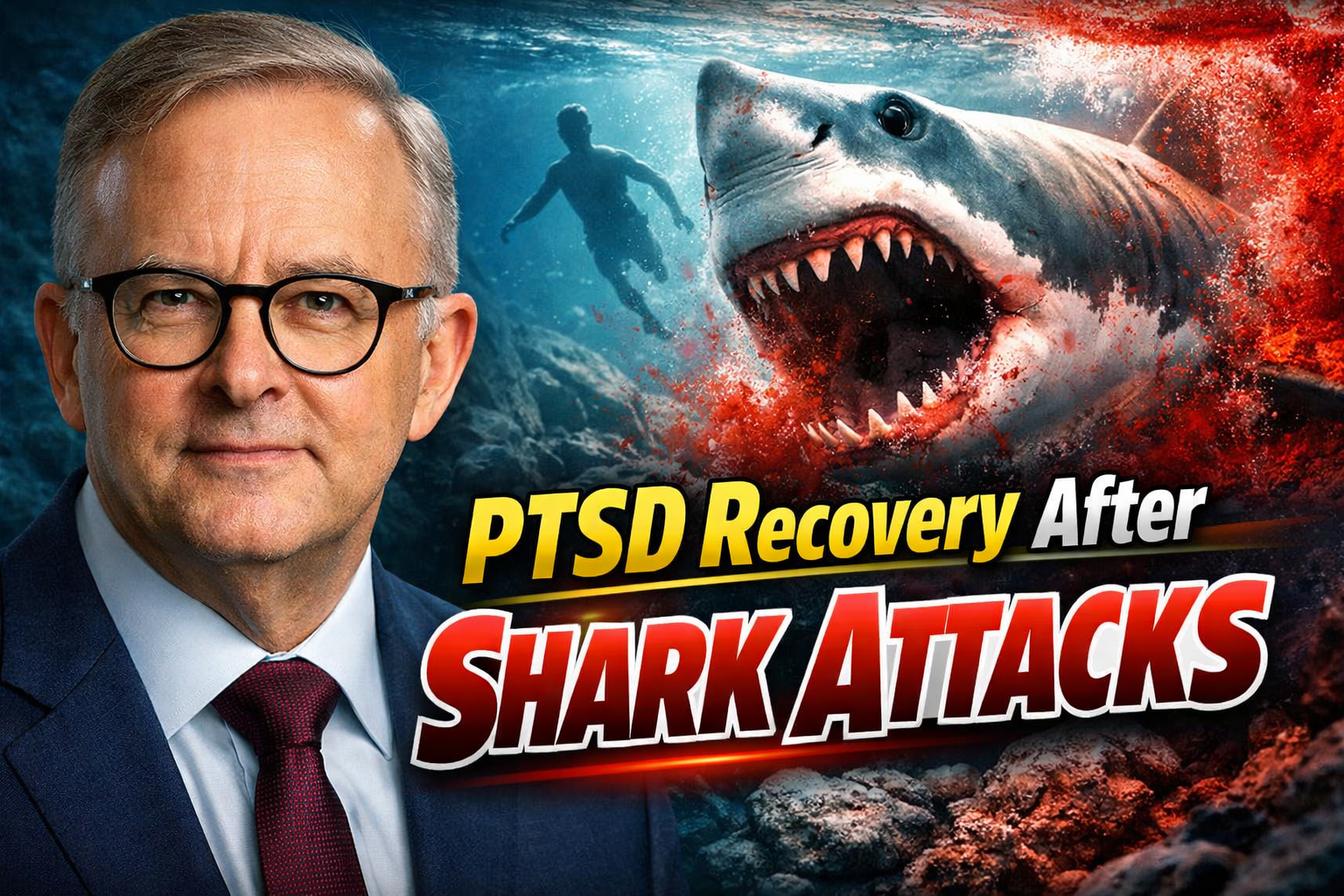
Shark attack survivors often face profound psychological trauma, with post-traumatic stress disorder (PTSD) emerging as a common aftermath due to the life-threatening nature of the event. These incidents trigger intense fear responses that linger, manifesting in flashbacks, hypervigilance, and avoidance of water-related activities. Recovery involves targeted support services, evidence-based therapies, and personalized healing strategies to rebuild confidence and quality of life.
Understanding PTSD in Shark Attack Context
PTSD develops when the brain’s threat response system remains activated post-danger, replaying the attack through intrusive memories or nightmares. Shark encounters combine physical injury with primal ocean fears, amplifying symptoms—survivors report ocean phobia, sleep disturbances, and emotional numbness persisting years later. Risk factors include injury severity, media exposure reliving the event, and social isolation, with studies indicating rates up to 30 percent among victims, witnesses, and responders.
The disorder disrupts daily functioning: avoidance might end surfing careers or beach visits, while hyperarousal strains relationships. Early intervention proves crucial, as untreated PTSD heightens depression and anxiety risks. Unlike general trauma, shark attacks evoke evolutionary dread, demanding therapies addressing water-specific triggers.
Biological underpinnings involve elevated cortisol and altered amygdala activity, but neuroplasticity enables rewiring through consistent interventions. Survivors often experience dual timelines—immediate shock and delayed onset around three months, when life adjustments surface frustrations.
Recognizing Symptoms Specific to Survivors
Core PTSD symptoms cluster into four categories: re-experiencing (flashbacks of jaws closing in), avoidance (steering clear of news or beaches), negative mood alterations (guilt over lost hobbies), and arousal (irritability or startle responses). Shark victims uniquely suffer sensory triggers—saltwater smells or fin sightings mimicking the attack.
Physical comorbidities like chronic pain from bites exacerbate sleep issues, forming vicious cycles. Women and those with prior anxiety show higher vulnerability, while strong social networks buffer effects. Self-assessment tools flag severity: frequent nightmares or panic signal professional help needs.
Early signs mimic shock but evolve—initial numbness yields to irritability. Tracking via journals helps differentiate from normal stress, prompting timely support.
Immediate Support Services
Crisis response begins with hospital mental health screenings pre- and post-discharge, standard in trauma protocols for shark victims. Specialized groups like Bite Club connect survivors globally, offering peer forums to share stories without judgment—founders note discussing prosthetics or ocean return reduces isolation.
Beyond the Bite provides Australian-focused aid, covering rehab costs and counseling referrals often uninsured. Local services include emergency psych evaluations via hospital social workers, linking to 24/7 hotlines for suicidal ideation.
Family support proves vital; programs train loved ones on listening without pushing reenactments, countering media-induced pressures.
| Service Type | Provider Examples | Access Method |
|---|---|---|
| Peer Support Groups | Bite Club, Beyond the Bite | Online forums, events |
| Crisis Hotlines | Local ER psych teams | Immediate phone/app |
| Financial Assistance | Survivor charities | Application via website |
| Family Training | Hospital social services | On-site sessions |
Therapy Options Overview
Evidence-based therapies anchor recovery, tailored to shark trauma’s sensory intensity. Cognitive Behavioral Therapy (CBT) challenges distorted beliefs like inevitable re-attack, reducing anxiety by 60 percent in trauma studies. Exposure therapies gradually desensitize via imaginal recounting progressing to controlled ocean dips.
Eye Movement Desensitization and Reprocessing (EMDR) processes attack memories through bilateral stimulation, alleviating flashbacks—eight sessions often suffice for symptom relief. Mindfulness-Based Stress Reduction teaches present-focus, countering hypervigilance with breathwork suited for water-phobic triggers.
Pharmacotherapy complements: SSRIs like sertraline ease mood symptoms, while prazosin targets nightmares. Combined approaches yield best outcomes, with therapists specializing in adventure sports trauma.
| Therapy Type | Duration | Key Mechanism | Success Rate (PTSD) |
|---|---|---|---|
| CBT | 12-16 weeks | Thought restructuring | 60-70% |
| EMDR | 8-12 sessions | Memory reprocessing | 75% |
| Exposure | Graded steps | Trigger desensitization | 65% |
| Mindfulness | Ongoing | Present-moment awareness | 50% adjunct |
Step-by-Step Therapy Paths
Recovery follows phased protocols mirroring wound healing timelines. Phase one stabilizes acute symptoms through psychoeducation—understanding PTSD as brain wiring, not weakness, empowers engagement.
Phase two dives into trauma-focused work: CBT reframes “I was helpless” to “I survived through resilience.” EMDR targets sensory fragments like blood taste or thrashing sensations, lessening emotional charge.
Phase three emphasizes lifestyle integration, rebuilding routines with gradual exposures—visualizing waves before wading ankle-deep. Maintenance involves booster sessions, preventing relapse amid stressors like shark news cycles.
Survivors track progress via symptom scales, adjusting as plateaus hit around six months.
Specialized Programs for Water Trauma
Adventure therapy programs immerse survivors in controlled aquatic settings, pairing surf lessons with debriefs. Surf therapy in Australia aids shark victims, fostering mastery over fear—studies show 80 percent resume water sports post-program.
Yoga and equine therapies build embodiment, transferable to ocean balance. Virtual reality exposure simulates attacks safely, accelerating desensitization without real risk.
Group retreats blend peers, normalizing experiences—Bite Club events facilitate ocean returns collectively.
Pharmacological and Adjunctive Treatments
Medications bridge therapy gaps: SSRIs stabilize mood within four weeks, enabling talk therapy engagement. Beta-blockers like propranolol disrupt fear memory consolidation if dosed soon post-event.
Emerging ketamine infusions offer rapid relief for treatment-resistant cases, resetting neural circuits. Supplements—omega-3s, magnesium—support neurorecovery, backed by trauma research.
Holistic adjuncts include acupuncture for hyperarousal and art therapy for non-verbal processing of attack chaos.
| Medication Class | Examples | Target Symptoms | Onset Time |
|---|---|---|---|
| SSRIs | Sertraline | Mood, anxiety | 4-6 weeks |
| Prazosin | Prazosin | Nightmares | 2-4 weeks |
| Beta-Blockers | Propranolol | Intrusion prevention | Immediate |
Lifestyle and Self-Help Strategies
Daily practices fortify therapy gains. Journaling unloads intrusive thoughts, while progressive muscle relaxation mimics surfboard tension release. Sleep hygiene—consistent bedtimes, no screens—curbs nightmares.
Nutrition fuels resilience: anti-inflammatory diets with fatty fish ironically aid ocean lovers. Exercise rebuilds body trust, starting land-based before swims.
Community involvement shifts victim identity—mentoring new surfers reframes trauma as expertise.
Long-Term Healing and Resilience Building
Healing extends years, marked by milestones like solo beach walks. Resilience training via positive psychology cultivates post-traumatic growth—many survivors report heightened life appreciation and empathy.
Annual check-ins monitor subclinical symptoms, adjusting for life changes. Peer mentorship sustains gains, turning pain into purpose through advocacy.
Challenges and Overcoming Barriers
Stigma silences help-seeking, especially in machismo surf cultures—education normalizes therapy. Access hurdles in remote coastal areas prompt telehealth expansions. Financial burdens ease via charities, but persistence counters dropout risks.
| Barrier | Solution Strategies |
|---|---|
| Stigma | Peer testimonials, education |
| Access | Telehealth, mobile clinics |
| Cost | Sliding scales, grants |
| Motivation Loss | Gradual goals, accountability buddy |
Resources and Where to Start
Begin with primary care for referrals, then connect via International Shark Attack File for victim networks. Hotlines like Lifeline offer immediate bridges. Apps like PTSD Coach provide daily tools.
Global directories list trauma specialists; prioritize those with assault or phobia experience.
| Resource Category | Examples | Contact Method |
|---|---|---|
| Hotlines | Lifeline, Crisis Text Line | Phone/text |
| Support Groups | Bite Club, Beyond the Bite | Website signup |
| Apps/Tools | PTSD Coach, Calm Harm | Download free |
| Directories | Psychology Today, ISAF | Online search |
Recovery transforms terror into triumph, empowering survivors to reclaim waters and lives. With layered supports, healing paths lead to profound renewal.

Nirti Singh is a news writer and digital content contributor at KorakoSpecklePark, covering key stories and regional developments across New Zealand and Australia. Her work focuses on clear, fact-based reporting, ensuring readers receive accurate and timely information.