
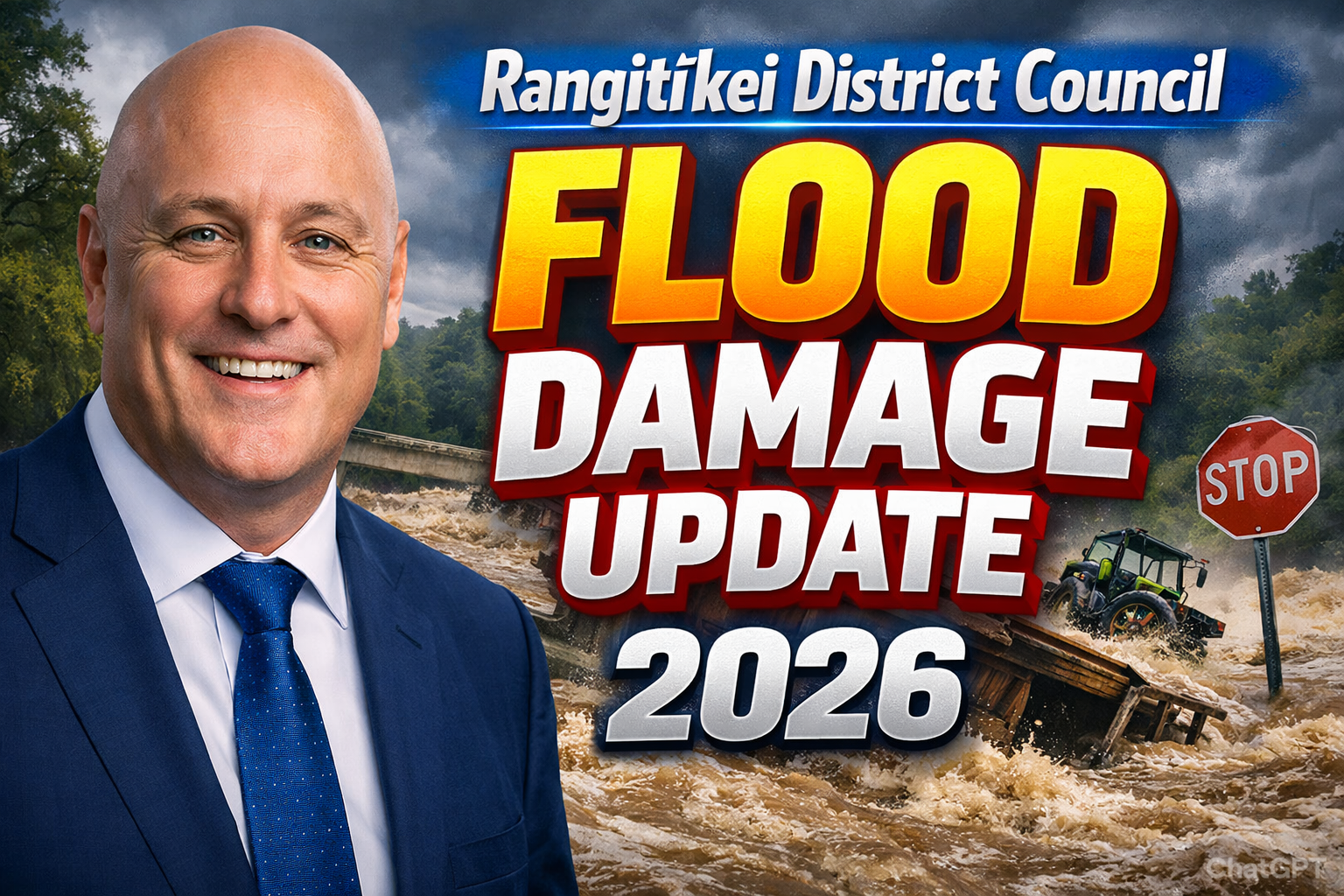
Rangitīkei District endured a severe storm in mid-February 2026, prompting a State of Emergency declaration and widespread infrastructure damage from high winds and heavy rain. Council teams are coordinating recovery efforts, focusing on road clearances, river monitoring, and resident support as waterways recede.
Storm Onset and Emergency Declaration
The crisis unfolded over the February fifteenth weekend when Mayor Andy Watson proactively declared a State of Emergency across the entire district. Gale-force winds toppled trees onto roads and power lines, while intense rainfall swelled rivers like the Rangitīkei, Tutaenui, and Whangaehu. Northern rural areas bore the brunt, with forecasts predicting peak downpours between midnight and early morning.
Council activated its emergency response team immediately, closing the Napier-Taihape Road preemptively and monitoring Civil Defence alerts from Manawatū-Whanganui. Although a Red Warning downgraded to Orange, the damage exceeded expectations, sparing the district major flooding but inflicting wind-related havoc. Residents received urgent advisories to avoid unfamiliar roads and conserve resources.
Damage Assessment Across the District
Fallen trees dominate the destruction, blocking rural routes and snapping overhead lines. Minor slips and dropouts appeared in vulnerable spots, with council contractors prioritizing assessments. Taihape, Mangaweka, Hunterville, and Rātana faced water supply strains from power glitches at treatment plants, prompting conservation calls.
Urban centers like Bulls and Marton saw stream overflows, though Horizons Regional Council’s detention dams mitigated worse inundation. Rural properties reported crop harm to maize, wheat, and barley fields at harvest time. Operations teams surveyed plants by Monday sixteenth, restoring flows incrementally.
Road Network Status and Closures
The district’s extensive rural road network suffered most, with trees felling across paddocks and highways. Key updates as of February eighteenth include:
| Road/Area | Status | Issues | Estimated Reopening |
|---|---|---|---|
| Napier-Taihape Road | Closed | Multiple tree falls, slips | Late week |
| Turakina Beach Road | Monitoring/possible closure | River peak at 4:15pm Feb 15 | Post-peak assessment |
| Rural northern roads | Partial access | Tree clearances ongoing | 80% by Feb 20 |
| Taihape-Mangaweka routes | Open with care | Slip checks | Immediate |
| SH1 alternatives | Avoid unless directed | Contractor priority | N/A |
Motorists faced chaos as locals bypassed State Highways, prompting warnings against shortcuts. Contractors worked extended shifts, removing debris scale unprecedented in recent memory. By Wednesday tenthirty, most town roads reopened, shifting focus to remote gravel sections.
River Monitoring and Flood Mitigation
Horizons Regional Council operated Moutoa floodgates early on the fifteenth, closing them by noon as levels dropped. Rangitīkei’s waterways lingered higher due to detention dam releases, a controlled process explained in council videos. The Turakina River peaked without breaching critical marks, averting beach road washouts.
Real-time data from Envirodata tracked declines, easing northern catchments first. Residents near confluences prepared sandbags, though proactive dam management held back surges. This event highlighted infrastructure’s role in dodging a rainfall bullet.
Utility Disruptions and Restoration
Power outages rippled through thousands of homes, exacerbated by tree-line contacts. Wellington Electricity and local providers deployed generators to vulnerable sites. Water plants in affected towns regained stability post-inspection, lifting conservation by late Monday.
Septic systems warranted checks for flood-affected properties, with council mandating registered servicing. Homeowners discarding wet carpets contacted insurers directly, while building teams vetted electrical safety.
Agricultural and Property Impacts
Farmers mobilized swiftly, rescuing stranded motorists from slips and clearing access. Maize fields flattened by wind faced yield losses during peak harvest, mirroring past events. Council initiated crop damage surveys, aiding claims and economic tallies.
Individual properties reported inundation variances, with Tūtaenui Stream patterns shifting subtly. Retention dams in new developments proved effective, but older sites needed stormwater reviews. Empathy flowed from Mayor Watson, acknowledging rural heartaches.
Community Response and Welfare Measures
Solidarity defined recovery: farmers led rescues, neighbors shared generators, and welfare centers distributed water. Council hotlines buzzed with damage reports via 0800 422 522 or online forms. Social media updates fostered patience amid frustrations.
Volunteers aided debris clearance, easing contractor burdens. Emergency responders earned praise for pre-storm preparations, from river gauges to road signage.
Projected Recovery Timeline
Council outlined phased repairs, balancing urgency and safety:
| Phase | Focus Areas | Timeline | Milestones |
|---|---|---|---|
| Immediate (Feb 15-18) | Tree removal, power restoration | Ongoing | 90% urban access |
| Short-term (Feb 19-25) | Slip repairs, rural roads | One week | SH reopenings |
| Medium-term (Feb 26-Mar) | Culvert fixes, crop aid | Two weeks | Full network |
| Long-term (Mar+) | Resilience upgrades | Months | Dam enhancements |
Fatigue management rotated crews, targeting midday February eighteenth for major updates. Full normalcy eyed by month’s end, weather permitting.
Lessons Learned and Resilience Building
This storm exposed wind vulnerabilities over rain threats, prompting grid hardening and tree-trimming protocols. Council eyed incentives for underground lines and farmer-led monitoring. Past floods informed dam efficacy, but climate shifts demand adaptive planning.
Public education ramped up on kits, detours, and reporting. Horizons’ floodgate ops set a benchmark, reinforcing regional ties. Rangitīkei’s grit shone, transforming adversity into fortified futures.
Looking Forward
As crews press on, the district rebounds with characteristic resolve. Stay vigilant via official channels, support local growers, and heed advisories. This event, though taxing, underscores community strength and infrastructure progress.

Nirti Singh is a news writer and digital content contributor at KorakoSpecklePark, covering key stories and regional developments across New Zealand and Australia. Her work focuses on clear, fact-based reporting, ensuring readers receive accurate and timely information.