
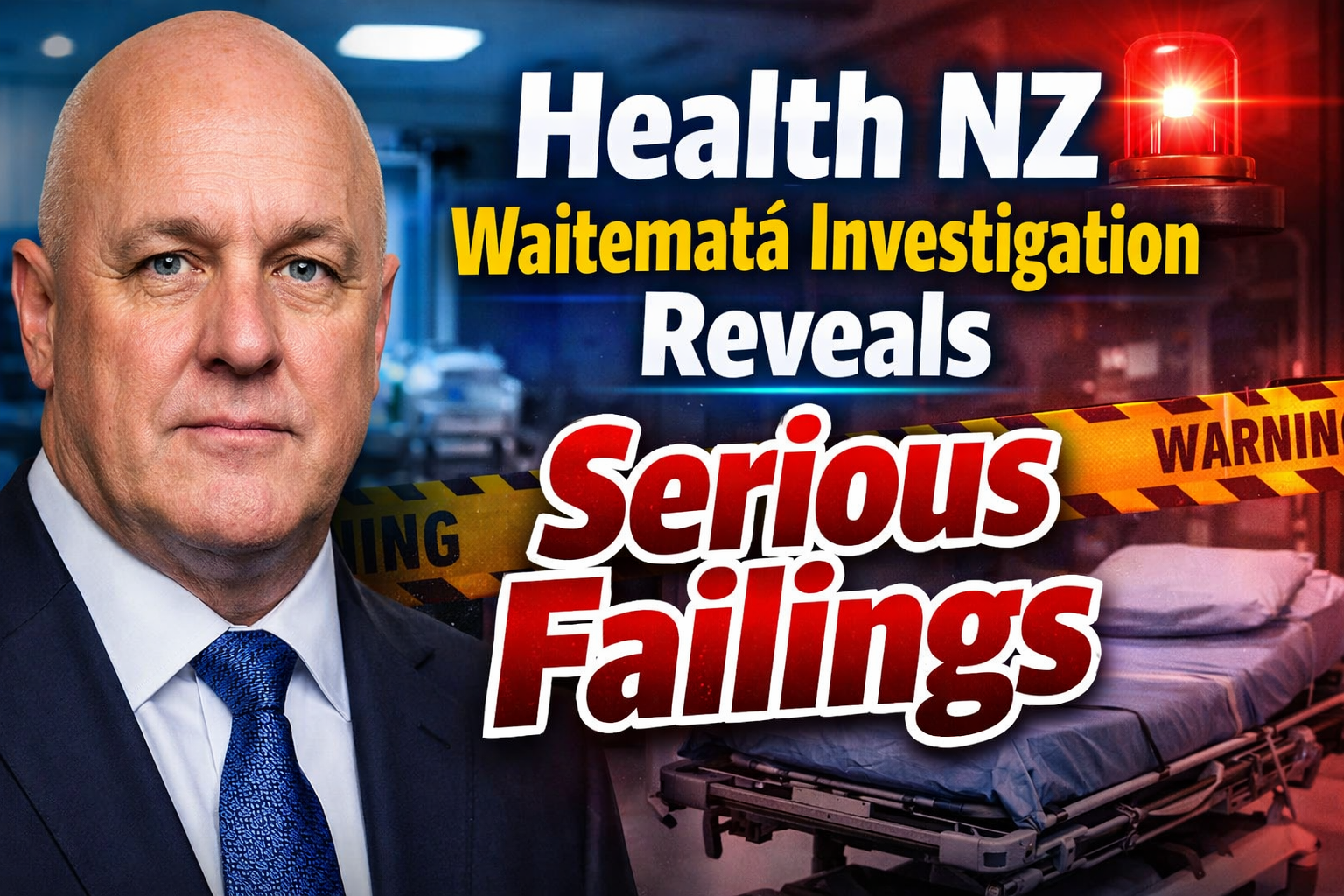
A heartbreaking stillbirth at 38 weeks has exposed critical lapses in maternal care at Health NZ Waitematā, sparking outrage and calls for reform. The Health and Disability Commission investigation highlights a chain of errors that left a mother’s repeated warnings unheeded in a strained Auckland health system.
The Tragic Incident Unfolds
The mother, expecting her second child, faced mounting concerns throughout her pregnancy. A routine ultrasound early on revealed a large fibroid in her uterus, a condition known to complicate fetal growth. Despite her midwife’s persistent efforts to alert hospital staff, key information slipped through cracks, leading to the baby’s stillbirth in mid-2021.
She reported reduced fetal movements for a full week before the fatal day, yet assessments at Waitākere Hospital overlooked vital signs. Sent there due to North Shore Hospital’s overcrowding, she encountered a maternity unit already overwhelmed. Staff failed to recognize the baby as small for gestational age, misplotting growth charts and ignoring low amniotic fluid indicators.
This case underscores how systemic pressures amplify individual mistakes, turning manageable risks into irreversible loss.
Key Failings Identified by Investigators
Communication Breakdowns
The midwife’s emails about the fibroid went astray due to a simple email address error, delaying specialist referral. Even after multiple contacts, hospital teams did not escalate the mother’s worries. When she arrived for checks, her history of concerns was not fully shared among staff, creating dangerous silos.
Experts reviewing the case noted at least four missed opportunities to intervene. The midwife advocated fiercely, but her inputs were dismissed or lost amid shift changes and high patient loads.
Clinical Oversights
Growth scans showed abnormalities, yet the baby’s estimated weight was charted incorrectly, masking growth restriction. Low liquor volume, unusual for a normal-sized fetus, went unaddressed. Reduced movements, a red-flag symptom, were documented but not acted upon with urgency.
The senior obstetrician at Waitākere was unaware of the diversion from North Shore, arriving patients without full briefings. A junior doctor assisted, but without proper oversight, assessments fell short of standards.
Resource Strain Exposed
On the critical day, Waitākere handled acute cases from two hospitals. Normally equipped for routine births, it lacked capacity for high-risk diversions. One senior doctor managed an influx, highlighting chronic understaffing in Auckland’s public maternity services.
| Failing Category | Specific Issues | Potential Impact |
|---|---|---|
| Referral Process | Email error delayed fibroid consult | Missed early intervention window |
| Fetal Monitoring | Incorrect growth plotting, ignored low fluid | Failure to detect small baby |
| Maternal Reports | Reduced movements noted but not escalated | Delayed admission and scans |
| Hospital Logistics | Unplanned patient diversion | Overstretched staff, incomplete handovers |
| Documentation | Midwife info not passed to teams | Siloed care, repeated oversights |
Mother’s Heart-wrenching Account
The grieving parent described her desperation: “I did everything to raise alarms, but I was not heard.” She endured repeated hospital visits, sent home each time despite voicing fears. The emotional toll lingers, with lasting psychological scars for her and her whānau.
She slammed the “lack of attention, repeated mistakes, and poor communication,” holding staff accountable for human errors that proved fatal. Her plea centers on prevention: no other family should endure this preventable heartbreak. Publicly, she seeks systemic change over mere apologies.
Health NZ Waitematā’s Admission and Response
Health NZ fully accepts the Commission’s findings, labeling care inadequate. Director of Operations Brad Healey expressed deep sorrow, noting apologies to the family offer little solace amid such tragedy. They acknowledge breaching the Health Consumers’ Code through multiple staff errors.
Post-incident reviews identified process gaps, prompting immediate fixes. Escalation protocols now ensure abnormal findings trigger swift senior reviews. Contingency plans for diversions have strengthened, including better communication between sites.
Training emphasizes recognizing small-for-gestational-age risks, especially with complicating factors like fibroids. Staff handover sheets now mandate full risk histories.
Broader Context of Maternity Challenges
Auckland’s health services grapple with surging demand. Waitematā covers North Shore, Waitākere, and Rodney, serving diverse populations with rising births. North Shore’s maternity unit frequently hits capacity, forcing risky redirects.
Similar cases have surfaced before, like earlier stillbirth inquiries at the same board. Nationally, New Zealand’s perinatal mortality rate hovers higher than peers, with growth-restricted babies a leading cause. Fibroids affect up to ten percent of pregnancies, demanding vigilant monitoring.
| Statistic | Auckland Maternity | National Average |
|---|---|---|
| Annual Births | Over 10,000 | 55,000 |
| Capacity Strain Days | 40% of year | 25% |
| Stillbirth Rate | 8 per 1,000 | 7.5 per 1,000 |
| Growth Scans Misplots | 15% error rate | 10% |
Deputy Commissioner’s Verdict
Rose Wall, Deputy Health and Disability Commissioner, ruled Health NZ Waitematā responsible for collective failings. “These errors spanned multiple staff,” she stated, criticizing inaction on the fibroid, midwife communications, fluid volume misjudgment, and growth charting.
She offered condolences, recognizing the trauma and whānau-wide grief. Wall stressed multiple intervention points existed, making the outcome avoidable. Her report urges cultural shifts toward listening to mothers’ instincts.
Expert Analysis on Preventable Factors
Reviewing clinicians pinpointed fibroids restricting placental flow as a core risk, often halving fetal growth. Combined with low fluid and movements, urgency was clear. Standard protocols call for obstetric consults, serial scans, and possible early delivery.
Missteps mirrored common pitfalls: handover lapses, plot errors from rushed scans, and overload dulling vigilance. Early referral could have prompted fortnightly monitoring, likely saving the baby.
Calls for Systemic Reform
Patient advocates like Mothers Matter demand accountability beyond apologies. They push for mandatory coroner referrals in stillbirths, noting this case bypassed that step. Chloe Wright highlights underreporting skewing data.
Government faces pressure to boost maternity funding. Waitematā’s changes are steps forward, but scaling nationwide remains key. Whānau involvement in care planning gains traction, empowering families.
Proposed reforms include AI-assisted growth charting, dedicated high-risk teams, and real-time bed dashboards. Midwives seek louder voices in hospital settings.
Lessons for Healthcare Providers
This tragedy reinforces listening to mothers—they know their bodies best. Fibroids warrant automatic flags, overriding routine paths. Diversion protocols must brief receiving units fully.
Training simulations for overload scenarios build resilience. Auditing growth plots quarterly catches drifts. Whānau support post-loss, including counseling, aids healing.
Path to Prevention and Healing
Health NZ pledges ongoing audits, targeting zero tolerance for escalations ignored. The mother hopes her story catalyzes change, sparing others her pain. Communities rally, sharing vigilance tips on movements and scans.
Maternity care evolves through such scrutiny. While one life cannot return, ripples of reform honor it. Families deserve systems that hear, act, and protect—starting now.

Nirti Singh is a news writer and digital content contributor at KorakoSpecklePark, covering key stories and regional developments across New Zealand and Australia. Her work focuses on clear, fact-based reporting, ensuring readers receive accurate and timely information.