
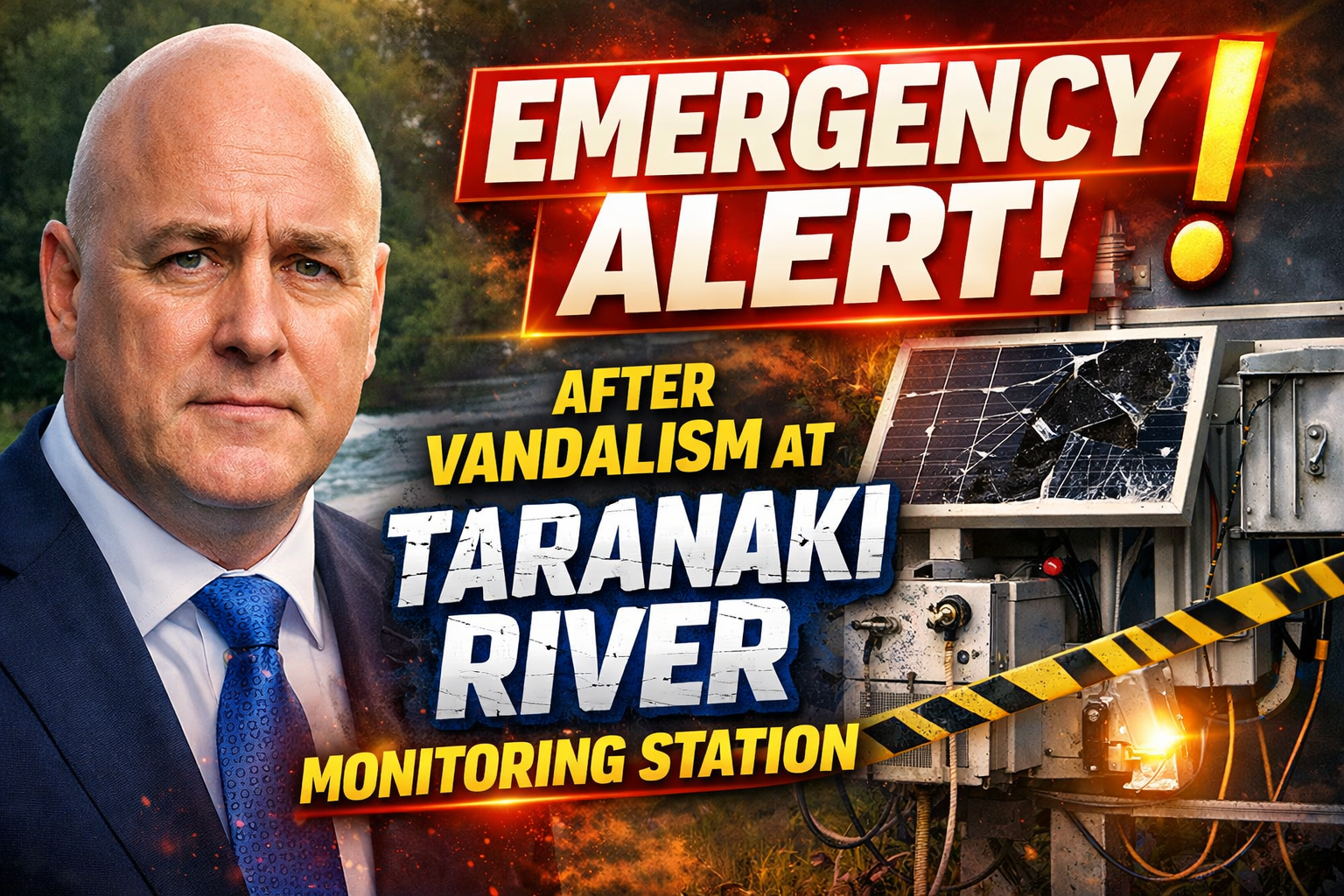
Vandalism at a critical flood monitoring station on the Waiwhakaiho River in Taranaki has triggered an emergency alert, with authorities warning of heightened flood risks during the ongoing severe weather crisis. The deliberate damage, the third incident at this site since its installation, compromises real-time data essential for public safety warnings. Regional council officials urge the public to stay vigilant as repairs proceed amid saturated catchments across New Zealand’s North Island.
Incident Overview
The latest attack occurred around 1:20 AM on January 11, 2026, targeting the monitoring station near Mitre 10 Mega and The Valley in New Plymouth. Thieves ripped off the door and stole equipment, crippling the site’s ability to track river levels. This marks the second hit in three months and the third since 2020, part of a pattern affecting multiple Taranaki stations including those at Rimu Street on the Waiwhakaiho and the Mangati at State Highway 3.
Taranaki Regional Council environmental data team leader Craig Pickford highlighted the recklessness, noting the Waiwhakaiho’s rapid fluctuations after heavy rain. Last July’s flood saw the river surge to 535 cubic meters per second, washing away nearby berms—data from this exact station guided evacuations. Without it, delays in alerts could endanger lives and property in flood-prone lowlands.
Broader Context of Severe Weather
This sabotage coincides with torrential rains battering the North Island since mid-January, dumping 250-350 millimeters in 48 hours across Northland to Gisborne. States of local emergency blanket Thames-Coromandel, Northland, Western Bay of Plenty, and Tauranga, with landslides, evacuations, and a missing persons search at Mount Maunganui’s Beachside Holiday Park. Saturated soils amplify every river’s volatility, making monitoring networks indispensable.
Taranaki dodged the worst floods but remains on edge. The council’s region-wide system—tracking rainfall, river heights, wind, temperature, water quality, and flows—feeds Civil Defence alerts. Vandalism severs this lifeline, echoing national pleas for protection of infrastructure during crises like the 2023 Cyclone Gabrielle aftermath.
Technical Role of Monitoring Stations
These stations form a sophisticated grid, transmitting data in real-time to Stratford’s control center. Solar-powered sensors ping updates every few minutes, triggering automated warnings when thresholds hit. The Waiwhakaiho site, perched on a dynamic reach, detects rises within minutes—vital as the river can swell from ankle-deep to life-threatening in hours.
Theft targets copper wiring, batteries, and electronics for scrap value, ignoring the multimillion-dollar replacement costs. Repairs demand specialized teams navigating flood debris, delaying full restoration by days. Backup telemetry exists, but gaps create blind spots, especially for rural farms and urban fringes.
| Station Details | Location | Vandalism Incidents | Primary Data Tracked |
|---|---|---|---|
| Waiwhakaiho Lower | Near Mitre 10 Mega | 3 since 2020 | River level, flow |
| Waiwhakaiho Rimu St | New Plymouth | Multiple | Rainfall, water quality |
| Mangati SH3 | State Highway 3 | Recent | Wind, temperature |
Immediate Response and Repairs
Council technicians restored the lower Waiwhakaiho gauge swiftly post-January 11, bolstering it with anti-theft measures like reinforced casings and surveillance cameras. Police launched investigations, reviewing CCTV from nearby businesses and appealing for witnesses. No arrests yet, but patterns suggest organized scrap thieves exploiting remote sites.
Civil Defence Taranaki ramped up manual patrols, using mobile gauges and community spotters. Flood defenses—stopbanks, spillways, and pumps on Waiwhakaiho and Waitara—stand ready, protecting historic hotspots. Public apps now overlay vandalism alerts with weather feeds, urging caution.
Public Safety Implications
Pickford’s plea resonates: “Stop and think—your actions could cost lives.” Dynamic rivers like Waiwhakaiho claim lives yearly through drownings and washouts. Last July’s peak isolated communities; timely data enabled preemptive road closures and livestock moves. Vandalism risks false security, lulling residents into complacency during red warnings.
Low-lying New Plymouth suburbs, farms along SH3, and industrial zones face amplified threats. Businesses recall Gabrielle’s billions in losses; this sabotage revives nightmares. Families stock sandbags, elevate valuables, and monitor council hotlines, blending self-reliance with institutional trust.
Historical Flood Risks in Taranaki
Taranaki’s rivers carve fertile plains but unleash fury seasonally. The 1982 Waitara flood submerged townships, prompting modern schemes. Waiwhakaiho’s berms crumbled in 2022 gales, flooding paddocks. Council maintains 20-plus defenses, but climate-intensified storms test limits.
| Major Taranaki Flood Events | Year | River Involved | Impacts |
|---|---|---|---|
| Recent July Surge | 2025 | Waiwhakaiho | 535 m³/s, berms lost |
| Waitara Submersion | 1982 | Waitara | Homes flooded, evacuations |
| Regional Deluge | 2023 | Multiple | Billions in damages |
| SH3 Washout | 2022 | Mangati | Roads closed weeks |
Monitoring evolution—from manual gauges to digital—slashes response times, yet human sabotage undermines progress.
Community and Iwi Reactions
New Plymouth locals express outrage via social media, sharing photos of mangled stations and tagging perpetrators. Iwi like Ngāti Tama decry desecration of whenua, tying rivers to cultural narratives of kaitiakitanga. Community watch groups patrol sites, while schools teach stewardship.
Fundraisers support replacements, reflecting Kiwi resilience. Mayor Neil Holdom calls for harsher penalties, arguing scrap theft fines fail deterrence.
Environmental Monitoring Beyond Floods
Stations multitask: water quality flags dairy runoff, aiding compliance; rainfall aids farming; wind guides aviation. Vandalism disrupts science feeding policy—from nutrient limits to climate adaptation. Taranaki’s dairy heartland depends on data for sustainable practices amid global scrutiny.
Government and Policy Calls
Taranaki Regional Council pushes legislative shields, proposing “critical infrastructure” status with jail terms for sabotage. Minister for Emergency Management Mark Mitchell, touring flood zones, endorses tougher laws post-North Island deluge. National Resilience Plan eyes hardened stations nationwide.
Police collaborate with scrap dealers for buy-back traces, mirroring anti-metal theft drives.
Economic Repercussions
Repairs drain council budgets—each station costs tens of thousands, plus lost data value. Flood delays hit farms, delaying stock shifts and milk hauls. Tourism dips as wary visitors shun trails. Gabrielle’s lesson: every delayed alert compounds millions in claims.
| Cost Breakdown | Per Incident (NZD) | Annual Projection |
|---|---|---|
| Equipment Replacement | 20,000-50,000 | 200,000+ |
| Technician Deployment | 5,000 | 50,000 |
| Data Loss Impacts | Indirect millions | Ongoing |
Technological Safeguards and Innovations
Future-proofing advances: solar-secured units, GPS trackers in gear, AI motion alerts. Drones supplement fixed sites, relaying live feeds. Community sensors—cheap floats linked to apps—crowdsource data during outages.
Trials of submerged cameras detect anomalies pre-flood. Integration with MetService promises hyper-local forecasts.
Lessons from National Crises
North Island’s January 2026 storms—landslides burying campsites, rivers sweeping cars—underscore monitoring’s role. Mount Maunganui’s tragedy and Coromandel isolations stemmed from overwhelmed systems; Taranaki’s vandalism risks similar blind spots. Gabrielle exposed gaps, birthing fortified networks now under threat.
Path to Prevention and Recovery
Authorities install bollards, locks, and signage at hotspots. Public campaigns frame stations as lifelines, not scrap. Schools host tours, fostering guardianship.
As rains ease, Taranaki rebuilds trust in tech. Vandals face not just law, but communal scorn—for in Aotearoa, rivers bind lives, demanding collective care.
Outlook Amid Weather Recovery
With easing forecasts by January 22, focus shifts to resilience. Repaired stations resume watch, but scars linger. This alert galvanizes action: protect tools safeguarding homes.
Communities embody whanaungatanga, turning violation to vigilance. Rivers flow eternal; human folly tests, but does not break, preparedness.

Nirti Singh is a news writer and digital content contributor at KorakoSpecklePark, covering key stories and regional developments across New Zealand and Australia. Her work focuses on clear, fact-based reporting, ensuring readers receive accurate and timely information.